
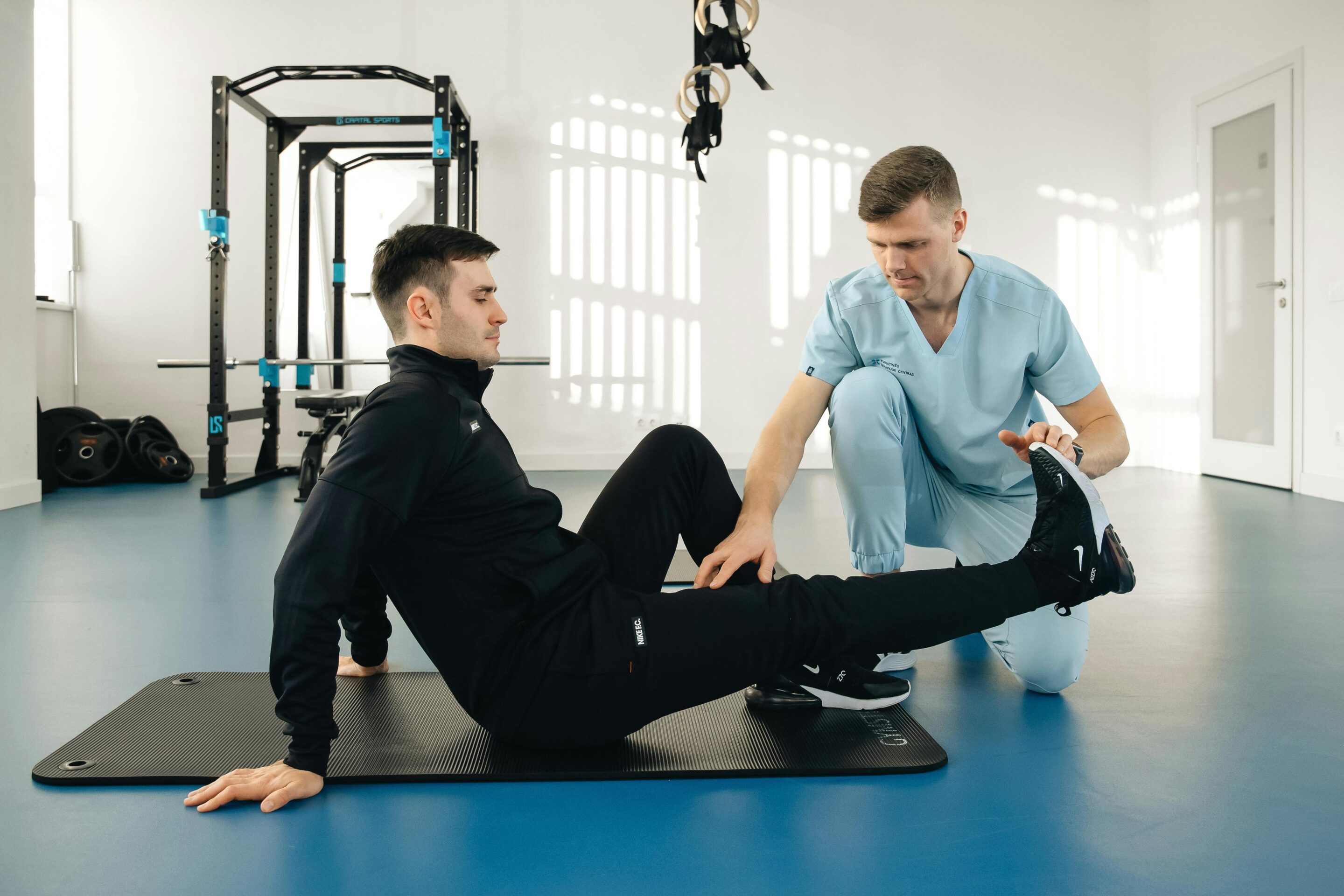
Men’s health concerns often go untreated for years due to embarrassment, lack of awareness, or the belief that symptoms are simply part of aging. In reality, many of these issues respond well to specialized care. Men’s physical therapy in Idaho provides targeted, evidence-informed treatment for conditions that affect daily comfort, recovery after medical procedures, and physical performance. By addressing the body as an integrated system, physical therapy helps men regain control, reduce pain, and improve quality of life.
This area of care is not limited to athletes or those recovering from surgery. It also supports men dealing with pelvic discomfort, core weakness, or functional limitations that interfere with work, relationships, and recreation. Understanding how men’s physical therapy works is the first step toward informed, confident health decisions.
Understanding Men’s Physical Therapy
Men’s physical therapy is a specialized branch of rehabilitation focused on conditions unique to male anatomy as well as musculoskeletal issues that disproportionately affect men. Treatment emphasizes movement quality, muscle coordination, nervous system regulation, and education. Rather than masking symptoms, therapy aims to identify the underlying cause of dysfunction.
A comprehensive evaluation is central to effective care. Therapists assess posture, breathing patterns, joint mobility, muscle strength, and coordination. This whole-body approach is essential because pain in one area often stems from dysfunction elsewhere. For example, chronic hip or back pain may be linked to pelvic floor tension or poor core control.
Men of all ages can benefit from this approach. Younger men may seek care for sports injuries or performance limitations, while older men often present with post-surgical recovery needs or chronic pain conditions. In all cases, individualized care plans are designed to support safe, lasting improvement.
Male Pelvic Pain and Pelvic Floor Health
Male pelvic pain can be confusing and frustrating, showing up as aching, pressure, sharp pain, or discomfort during sitting, exercise, or intimacy. These symptoms are often linked to pelvic floor dysfunction, where muscles may be too tight, too weak, or poorly coordinated. Because the pelvic floor supports bladder, bowel, sexual function, and spinal stability, problems in this area can lead to ongoing pain.
- Pelvic floor dysfunction can disrupt bladder, bowel, and sexual function
- Pain may worsen with stress, poor posture, or inefficient breathing
- Physical therapy uses gentle manual techniques, movement retraining, and relaxation strategies
Education is a key part of recovery, helping men understand how daily habits affect pelvic floor tension. Learning to move and breathe efficiently reduces strain and supports long-term healing.
Post-Prostatectomy Physical Therapy and Recovery
Prostate surgery is a life-saving intervention for many men, but it can also lead to temporary or persistent challenges. Common concerns after surgery include urinary leakage, reduced core strength, and changes in sexual function. Post-prostatectomy PT focuses on restoring control and confidence through structured rehabilitation.
Early intervention is particularly beneficial. Physical therapy helps retrain the pelvic floor muscles that support bladder control. Core therapy is also emphasized to restore stability and reduce compensatory movement patterns that may cause pain.
As recovery progresses, therapy expands to include functional movements such as lifting, walking, and returning to exercise. This gradual progression supports independence and reduces the risk of long-term complications. Men who participate in physical therapy often report improved outcomes and a smoother return to daily activities.
Erectile Dysfunction and the Role of Physical Therapy
Erectile dysfunction is commonly associated with vascular or hormonal factors, but musculoskeletal and neuromuscular contributors are frequently overlooked. Pelvic floor muscle dysfunction, nerve irritation, and poor circulation can all influence erectile function.
Physical therapy addresses these factors by improving muscle coordination and blood flow. Treatment may involve pelvic floor strengthening or relaxation, depending on individual needs. Attention is also given to hip mobility and spinal alignment, which can affect nerve signaling.
Lifestyle factors are often discussed during therapy. Movement habits, stress levels, and breathing patterns all play a role in pelvic health. By addressing these elements together, physical therapy offers a conservative option that complements medical care.
Sports Hernia and Athletic Rehabilitation
Active men are especially vulnerable to groin and core injuries, including sports hernia (athletic pubalgia), which involves weakness or strain in the lower abdominal wall without a visible bulge. This lack of obvious signs can make diagnosis challenging and often delays care. Early intervention is important to reduce pain and prevent the condition from worsening.
- sports injury treatment Physical therapy is often the first line of treatment and may help avoid surgery
- Rehabilitation focuses on balanced strength between the abdominal muscles, hips, and pelvic floor
- Movement analysis identifies faulty mechanics that place excess strain on the groin and core
When surgery is necessary, physical therapy plays a vital role in post-operative recovery by guiding a safe, gradual return to sport. This approach protects healing tissues while rebuilding strength, coordination, and confidence for long-term performance.
Core Therapy and Whole-Body Stability
Core therapy is a foundational component of men’s physical therapy in Idaho. The core includes more than just the abdominal muscles. It encompasses the diaphragm, pelvic floor, deep spinal muscles, and hips. Together, these structures provide stability and support efficient movement.
Weak or poorly coordinated core muscles can contribute to back pain, hip pain, and reduced athletic performance. Therapy focuses on restoring proper timing and strength across the entire system. Exercises are selected based on functional goals rather than appearance.
Improved core stability enhances posture, reduces injury risk, and supports pelvic health. This integrated approach benefits both active individuals and those seeking relief from chronic discomfort.
The Evaluation and Treatment Process
The physical therapy process begins with a detailed assessment. Therapists review medical history, discuss symptoms, and observe movement patterns. This information guides the development of a personalized treatment plan.
Sessions are conducted in a respectful and private environment. Treatment may include manual therapy, guided exercise, and education. Progress is monitored regularly, and programs are adjusted based on response and goals.
Consistency is key to success. Patients are encouraged to participate actively in their recovery by practicing techniques learned during sessions. This collaborative approach empowers men to take ownership of their health.
Conditions Commonly Addressed in Men’s Physical Therapy
The following table outlines common conditions treated through men’s physical therapy and the primary focus of care for each condition.
| Condition | Primary Therapy Focus |
| Male pelvic pain | Muscle relaxation, coordination, pain reduction |
| Post-prostatectomy recovery | Pelvic floor retraining, core stability |
| Erectile dysfunction | Pelvic muscle function, circulation support |
| Sports hernia | Core strength, movement mechanics |
| Chronic low back pain | Posture correction, integrated core therapy |
This variety highlights the broad scope of men’s physical therapy and its adaptability to individual needs.
Addressing Stigma and Building Awareness
One of the greatest barriers to care is stigma. Many men hesitate to seek help for pelvic or sexual health concerns due to embarrassment or misconceptions. Education plays a vital role in changing this narrative.
Physical therapists are trained to address sensitive topics professionally and compassionately. Creating a safe environment encourages open communication and leads to more effective treatment. Normalizing these conversations helps men understand that their concerns are valid and treatable.
Awareness also extends to healthcare providers and partners. When men receive support from their care team and loved ones, they are more likely to pursue and complete treatment.
Performance Optimization and Preventive Care
Men’s physical therapy is not limited to injury or recovery. It also supports performance optimization and injury prevention. By identifying movement inefficiencies early, therapy reduces strain on joints and muscles.
Preventive care is especially valuable for men with physically demanding jobs or active lifestyles. Regular assessment and targeted exercises help maintain strength and flexibility. This proactive approach supports longevity and resilience.
Performance-focused therapy emphasizes efficient movement rather than overtraining. This balance reduces fatigue and supports consistent progress over time.
Why Men’s Physical Therapy Matters in Idaho
Idaho’s diverse lifestyle demands physical resilience. From outdoor recreation to physically intensive work, men face unique challenges that can impact their health. Access to specialized care ensures these demands are met safely.
Men’s physical therapy in Idaho provides tailored solutions that respect individual goals and circumstances. By combining clinical expertise with patient education, therapy supports informed decision-making and long-term well-being.
Choosing physical therapy is an investment in health, function, and confidence. With proper care, men can move forward without pain limiting their potential.
Conclusion
Men’s health challenges deserve attention, understanding, and effective care. Men’s physical therapy in Idaho provides a practical, evidence-based solution for issues related to pelvic pain, prostate recovery, erectile dysfunction, and physical performance. By focusing on movement quality, muscle coordination, and whole-body function, physical therapy addresses the root causes of discomfort rather than temporary symptoms.
Seeking care is not a sign of weakness. Instead, it reflects a commitment to long-term health and quality of life. When men receive personalized treatment in a supportive and professional environment, they are better equipped to recover, prevent future injury, and perform at their best. Choosing the right provider is an important step in this process, and choosing a physical therapist in Idaho can help ensure effective, individualized care. Physical therapy empowers men to regain confidence in their bodies and make informed decisions about their health.
Frequently Asked Questions
How long does physical therapy usually last?
The duration of therapy varies depending on the condition and individual goals. Some men notice improvement within a few weeks, while others benefit from longer-term care.
Is pelvic floor therapy uncomfortable?
Therapy is performed respectfully and at a pace that matches patient comfort. Clear communication ensures understanding and consent throughout the process.
Can physical therapy replace medication or surgery?
In many cases, physical therapy reduces the need for invasive treatment. When used alongside medical care, it often enhances outcomes.
Do I need prior experience with physical therapy?
No prior experience is required. Therapists guide patients through each step, ensuring exercises and techniques are appropriate and understandable.