
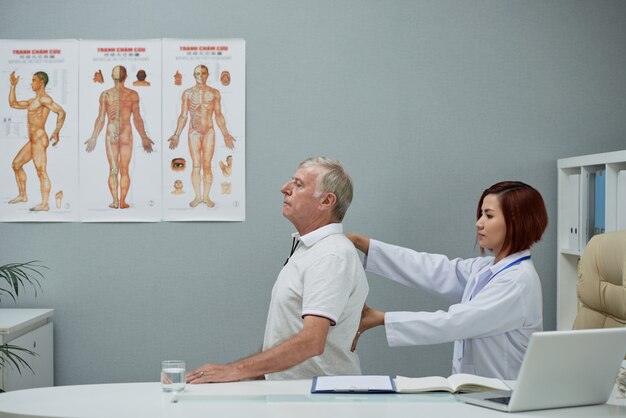
Back pain can feel like an endless cycle. Just when you think it’s gone, it returns. Many adults find themselves asking, why does back pain keep coming back — physical therapy might be the key to finally breaking the pattern. Short-term relief methods often reduce pain for a while, but they rarely fix the deeper issue causing the discomfort.
Recurring back pain is usually not random. It develops from repeated stress, poor movement habits, muscle imbalances, or untreated injuries. The body adapts in ways that hide the problem temporarily, but the underlying cause remains. Physical therapy takes a different approach. Instead of chasing symptoms, it identifies and corrects the source of pain, especially with expert guidance from Current Physical Therapy.
Understanding Why Back Pain Returns
One of the main chronic back pain causes is repetitive strain. Daily activities such as sitting at a desk, driving, or lifting improperly can overload specific muscles and joints. Over time, tissues become irritated, and pain develops.
When pain first appears, many people rest or rely on medication. This may reduce inflammation temporarily, but it does not restore proper movement. Once normal activity resumes, the same stress returns. The cycle repeats.
Another reason pain returns is compensation. When a muscle or joint hurts, the body shifts movement patterns to avoid discomfort. This creates new strain in other areas, leading to further imbalance and recurring pain.
The Role of Muscle Imbalances
The spine depends on surrounding muscles for support. If some muscles are weak while others are tight, stress is unevenly distributed. For example, weak abdominal or hip muscles can force the lower back to work harder than it should.
Without correction, this imbalance leads to ongoing irritation. Physical therapy identifies these weaknesses and restores balance through targeted strengthening and flexibility exercises.
Why Temporary Relief Is Not Enough
Heat packs, massage, or medication can feel helpful, but they only address symptoms. They reduce pain signals but do not change how the body moves or functions.
Physical therapy for back pain focuses on long-term solutions. Therapists evaluate posture, joint mobility, strength, and daily movement habits. This full-body assessment helps pinpoint the real issue instead of treating only the painful spot.
Movement Patterns Matter
Everyday motions such as bending, walking, and sitting affect spinal health. Repeating incorrect patterns places stress on the same tissues repeatedly.
A therapist observes these patterns closely. Small adjustments can make a big difference. Learning safer ways to move reduces strain and helps prevent pain from returning.
Posture Correction and Spinal Health
Modern life often leads to slouched sitting and forward head posture. Over time, this stresses spinal joints and muscles. Posture correction PT focuses on retraining alignment.
Therapists teach ergonomic changes and strengthening exercises that support proper posture. When posture improves, pressure on sensitive structures decreases, leading to lasting relief.
Manual Therapy Benefits
Hands-on techniques are another important part of treatment. Manual therapy benefits include improving joint motion, reducing muscle tension, and increasing circulation.
These techniques prepare tissues for exercise and movement training. While manual therapy provides relief, its true value lies in supporting long-term rehabilitation.
Strength Training for Lasting Support
Strong muscles act as a natural brace for the spine. Core and hip strengthening are often central to recovery. These muscles stabilize the pelvis and reduce strain on the lower back.
Exercises are tailored to each person’s needs and gradually progress. This builds endurance and resilience, making daily tasks easier and safer.
Flexibility and Mobility Work
Tight muscles restrict motion and force the body to compensate. Stretching and mobility exercises restore balanced movement, allowing joints to function properly.
Improved mobility reduces abnormal stress on the spine and decreases the likelihood of flare-ups.
Education Prevents Recurrence
An important part of therapy is learning how to care for your body independently. Therapists teach safe lifting, proper sitting posture, and activity pacing. This education helps patients avoid habits that trigger pain.
Understanding when to see a physical therapist is also key. Early care can stop minor issues from becoming chronic problems.
Addressing Lifestyle Factors
Sleep, stress, and activity levels all affect back pain. Therapists may recommend activity modifications or ergonomic adjustments at work. Small changes can significantly reduce strain.
Why Early Treatment Matters
Waiting too long can allow pain patterns to become deeply ingrained. Early intervention often leads to faster recovery and prevents long-term damage.
Long-Term Results of Physical Therapy
The goal of physical therapy is independence. Patients learn exercises and strategies they can continue on their own. This self-management reduces future episodes and improves quality of life.
People often notice better mobility, less stiffness, and greater confidence in movement. Instead of fearing activity, they feel prepared.
Conclusion
If you keep wondering why does back pain keep coming back, back pain treatment through physical therapy provides a clear answer. Without addressing root causes such as poor posture, weak muscles, and faulty movement patterns, pain is likely to return.
Physical therapy treats the source, not just the symptoms. By restoring strength, mobility, and alignment, it creates lasting change. With the right guidance, recurring back pain does not have to control your life.
Frequently Asked Questions
How does physical therapy help long-term?
It corrects faulty movement patterns, strengthens support muscles, improves flexibility, and teaches habits that prevent pain from recurring.
Are exercises really necessary for back pain recovery?
Yes, strengthening and mobility exercises build spinal support and resilience, which reduces strain and helps prevent future episodes.
Can poor posture alone cause recurring back pain?
Yes, prolonged poor alignment stresses joints and muscles, leading to irritation and repeated pain if not corrected.
When should I see a physical therapist?
If back pain persists, returns frequently, or limits normal activity, early professional evaluation can prevent chronic problems.