
Quick Answer: Is Dry Needling Safe Physical Therapy?
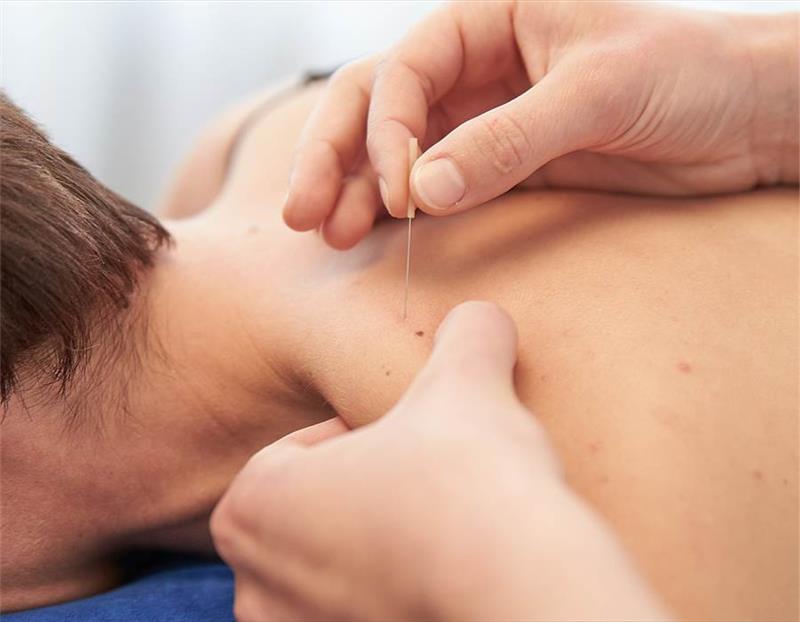
Dry needling is a therapeutic technique used by physical therapists to relieve muscle pain, improve mobility, and treat trigger points. Many patients ask whether dry needling is safe physical therapy, and the answer is generally yes when performed by a licensed professional. The treatment involves inserting thin, sterile needles into tight or knotted muscles to release tension and reduce pain. Dry needling therapy can be used for a range of conditions, including back pain, post surgery rehab Idaho, and sports-related injuries, providing targeted relief and supporting recovery.
Understanding Dry Needling
Dry needling is often compared to acupuncture, but the two practices have distinct differences. While acupuncture is rooted in traditional Chinese medicine and focuses on energy meridians, dry needling targets specific muscle trigger points to relieve pain and improve function.
How Dry Needling Works
- Needles are inserted directly into tight bands or knots within muscles
- The goal is to release trigger points that cause localized or referred pain
- Muscle fibers relax after needle insertion, improving circulation and reducing tension
- Sessions are typically brief but may require multiple treatments depending on the condition
Dry needling benefits include improved range of motion, reduced muscle pain, and enhanced rehabilitation outcomes when incorporated into a broader physical therapy program.
Dry Needling vs Acupuncture
Understanding the differences between dry needling and acupuncture helps patients make informed decisions:
| Feature | Dry Needling | Acupuncture |
|---|---|---|
| Purpose | Muscle pain relief and trigger point therapy | Energy balance and holistic wellness |
| Basis | Western anatomy and physiology | Traditional Chinese medicine |
| Needle Placement | Specific tight muscle bands or knots | Energy meridians across the body |
| Typical Uses | Muscle pain, stiffness, sports injuries | Pain management, stress relief, chronic conditions |
While both use thin needles, dry needling is highly targeted for musculoskeletal conditions and is often integrated with physical therapy exercises for optimal recovery.
Is Dry Needling Safe Physical Therapy?
When performed by licensed physical therapists, dry needling is considered a safe procedure. Safety considerations include:
- Using sterile, single-use needles to prevent infection
- Proper training to avoid nerve or tissue injury
- Monitoring patient response during treatment
- Avoiding areas where contraindications exist, such as over major blood vessels or in patients with certain medical conditions
Mild soreness, bruising, or temporary discomfort is common after sessions, but serious complications are rare. Patients should communicate openly with their therapist about any pain or adverse effects.
Does Dry Needling Hurt?
Many patients ask, “does dry needling hurt?” Experiences vary depending on the area treated and individual sensitivity. Common sensations include:
- A brief pinch or sting as the needle penetrates the skin
- Muscle twitch or cramp in the trigger point, indicating effective release
- Mild soreness for a day or two after treatment
Proper technique and patient positioning minimize discomfort, and therapists often combine dry needling with other modalities such as stretching, strengthening, or Back pain treatment exercises to enhance outcomes.
Trigger Point Therapy and Muscle Pain Relief
Trigger points are hyperirritable areas within muscles that cause pain and restrict movement. Dry needling targets these points to:
- Reduce localized or referred pain
- Improve muscle function and flexibility
- Support recovery in post-surgical or sports rehabilitation
- Enhance overall range of motion
Incorporating trigger point therapy into physical therapy allows patients to regain strength and function more efficiently. Muscle pain relief PT techniques complement dry needling, including stretching, manual therapy, and targeted exercise.
Dry Needling Benefits
Dry needling benefits extend beyond pain relief:
- Enhanced Range of Motion: Loosened muscles allow for improved movement in daily activities or sports performance.
- Faster Rehabilitation: Combined with physical therapy exercises, it accelerates recovery after injury or surgery.
- Reduced Muscle Tension: Targeted release of tight areas decreases chronic stiffness and discomfort.
- Support for Post Surgery Rehab Idaho: Helps patients regain function and reduce pain after orthopedic procedures.
- Complement to Other Therapies: Works well alongside exercise programs, strengthening, and mobility restoration.
These benefits make dry needling a valuable tool for both acute and chronic musculoskeletal conditions.
Typical Treatment Process
A typical dry needling session involves several steps:
- Assessment: The therapist identifies muscle areas causing pain or restriction.
- Preparation: Skin is cleaned, and the patient is positioned comfortably.
- Needle Insertion: Thin, sterile needles are inserted into targeted trigger points.
- Observation: Muscle response and patient feedback are monitored to ensure safety.
- Follow-Up Exercises: Stretching, strengthening, or mobility drills are provided to support recovery.
Sessions may last 15 to 30 minutes, and multiple treatments are often recommended for optimal results.
Integrating Dry Needling into Physical Therapy
Dry needling is most effective when incorporated into a comprehensive physical therapy program. Integration may include:
- Strengthening exercises to support muscles after release
- Stretching routines to maintain mobility gains
- Postural and ergonomic training to prevent recurring pain
- Back pain treatment for chronic or recurring symptoms
This combination enhances overall recovery, ensures long-term benefits, and addresses underlying causes of muscle pain.
Post-Surgical Considerations
Dry needling can be part of post-surgical rehabilitation when guided by a physical therapist experienced in post surgery rehab Idaho. Benefits include:
- Targeted relief for muscle stiffness after surgery
- Support for range of motion recovery
- Improved circulation to healing tissues
- Complementary approach alongside traditional rehabilitation exercises
Therapists carefully evaluate surgical sites and avoid direct needling on incisions or vulnerable tissues to maintain safety.
Safety and Precautions
To maximize safety, patients and therapists follow these precautions:
- Avoid needling over areas with active infection or open wounds
- Use proper technique and sterile equipment
- Assess patient history for bleeding disorders or sensitivity issues
- Monitor for post-treatment soreness or bruising
When these precautions are observed, dry needling is a low-risk and effective therapy option.
Conclusion: Is Dry Needling Safe and Effective?
Dry needling is a safe, targeted, and effective technique for treating muscle pain, trigger points, and post-surgical stiffness when performed by licensed physical therapists. It provides significant benefits such as muscle pain relief PT, improved mobility, enhanced post-surgery recovery, and integration with rehabilitation exercises.
Understanding dry needling vs acupuncture, knowing what to expect during treatment, and communicating openly with your therapist ensures a safe and productive therapy experience. Combined with a structured physical therapy program, dry needling can accelerate recovery, reduce discomfort, and support long-term musculoskeletal health.
Frequently Asked Questions
How does dry needling differ from acupuncture?
Dry needling targets muscle trigger points for pain relief and improved function, whereas acupuncture focuses on energy pathways according to traditional Chinese medicine.
Does dry needling hurt?
Patients may feel a brief pinch or twitch during treatment, followed by mild soreness. Proper technique reduces discomfort.
What conditions can dry needling help?
Dry needling benefits include muscle pain relief, trigger point therapy, post-surgical rehabilitation, sports injuries, and chronic back or neck pain.
How many sessions are needed for results?
Treatment frequency varies depending on condition severity. Many patients see improvement within a few sessions, often integrated with a full physical therapy program.