
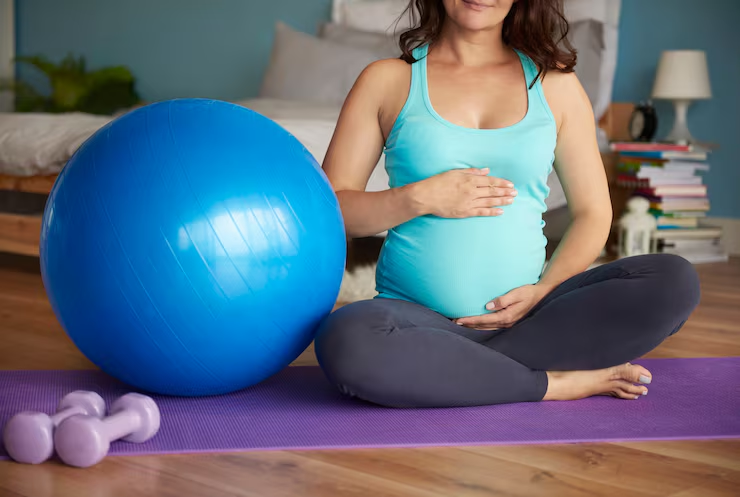
Low back pain and pelvic pain are among the most common reasons people seek care during pregnancy and after childbirth. Around 1 in 2 pregnant women experience pregnancy-related low back pain or pelvic girdle pain. Even so, many still ask: Is physical therapy safe during pregnancy?
In 2026, the answer is generally yes, when care is personalized, medically coordinated, and provided by licensed clinicians who understand prenatal and postpartum needs.
This guide explains how physical therapy can improve comfort, support safer movement, and help recovery after birth. You’ll learn about the benefits of prenatal physical therapy, what postpartum recovery PT usually includes, how safe exercise changes by trimester, and common mistakes that can make symptoms last longer.
Why pregnancy and postpartum needs are different (and why PT works)
Pregnancy changes biomechanics, tissue load, breathing mechanics, sleep, and recovery capacity, all at once. As the uterus grows, the center of mass shifts, often increasing lumbar extension and stressing the pelvic girdle. Hormonal changes can also affect connective tissue behavior, which may contribute to feelings of instability.
Physical therapy works because it targets the modifiable drivers of symptoms: movement strategy, strength/endurance deficits, load management, and neuromuscular coordination. It also provides screening for red flags (e.g., sudden swelling, calf pain, neurological changes) and helps coordinate care with OB/GYNs, midwives, and primary care.
What research says about exercise during pregnancy
The American College of Obstetricians and Gynecologists (ACOG) recommends that most pregnant people aim for 150 minutes of moderate-intensity aerobic activity per week.
For many people, general advice can feel difficult to follow because of fatigue, nausea, pain, or previous injuries. Physical therapy helps turn those guidelines into a realistic plan based on symptoms and daily life.
Urinary leakage is also common during pregnancy and after delivery. Physical therapy can help improve pelvic floor coordination, which may reduce symptoms. Treatment is not only about strengthening, it also focuses on timing, relaxation, and pressure control.
Prenatal physical therapy benefits
Prenatal physical therapy is not only focused on reducing pain but also on helping the body adapt to the physical demands of pregnancy. As the body changes, many people notice challenges with walking, sleeping, standing for long periods, and maintaining daily routines. Prenatal PT supports these functions by improving mobility, strength, and overall comfort so that pregnancy feels more manageable and less physically limiting.
Pregnancy back and pelvic pain management
Back pain and pelvic girdle pain are among the most common concerns during pregnancy, and they usually respond well to a combination of education, movement, and targeted exercise. Physical therapy focuses on teaching better posture and load management so that everyday activities place less strain on the spine and pelvis. Strengthening exercises for the hips, glutes, and core help stabilize the body, while hands-on techniques or supportive taping may be used when needed for symptom relief.
Instead of encouraging constant muscle tightening, modern PT focuses on teaching how to engage the core and pelvic floor only when needed during activities like lifting, walking, climbing stairs, or getting out of bed. This helps the body move more efficiently without unnecessary tension or fatigue.
Safe exercise during pregnancy
Exercise during pregnancy is generally safe when it is tailored to the individual’s health status, fitness level, and pregnancy progression. A key principle used in physical therapy is the “talk test,” where moderate intensity means you can still speak in full sentences while exercising. Workouts are adjusted based on trimester changes, symptom response, and any medical considerations.
A proper PT approach always includes screening for any risk factors such as high blood pressure, prior surgeries, or pregnancy complications. This ensures that exercise remains safe, effective, and supportive rather than overwhelming or inappropriate for the stage of pregnancy.
What safe means in pregnancy physical therapy
Safety in pregnancy physical therapy does not mean avoiding all discomfort. Instead, it means that exercises are carefully selected and continuously adjusted based on how the body responds. Mild discomfort can sometimes be normal as the body adapts, but pain, worsening symptoms, or instability are signals to modify the approach.
In modern clinical practice, progress is monitored using real-world indicators such as pain levels, walking tolerance, sleep quality, and bladder or pelvic symptoms. This allows treatment to be flexible and responsive rather than rigid or one-size-fits-all.
What a pregnancy PT evaluation includes
A pregnancy physical therapy assessment typically begins with understanding how the body is moving in daily life. This includes observing posture, breathing patterns, core control, and how the pelvis and spine respond during basic movements. Strength, flexibility, and balance are also evaluated to identify any areas of weakness or compensation.
Along with physical testing, a detailed discussion of symptoms is important. This helps the therapist understand how pregnancy is affecting daily function, comfort, and activity levels so that a personalized plan can be created.
Postpartum physical therapy recovery
Postpartum recovery does not end after the first six weeks; it is a gradual process that continues as the body heals and rebuilds strength. Many people experience changes in core stability, pelvic floor function, posture, and overall energy levels during this time. Physical therapy helps guide safe recovery by focusing on restoring movement, improving strength, and gradually returning to daily activities and exercise.
Common concerns in postpartum care include abdominal weakness, pelvic floor dysfunction, back or hip pain, and difficulty returning to fitness routines. Addressing these early can help prevent long-term issues and support better recovery outcomes.
Pelvic floor therapy in pregnancy and postpartum
Pelvic floor therapy is often misunderstood as being only about strengthening, but it is actually much more comprehensive. It focuses on improving coordination, strength, and relaxation of the pelvic muscles depending on what the body needs. Some individuals require strengthening, while others may need relaxation techniques if the muscles are overactive or tense.
People may benefit from pelvic floor therapy if they experience urinary leakage, pelvic pressure, pain during movement, or difficulty returning to exercise. With consistent guidance, many individuals notice meaningful improvement within several weeks as the muscles regain proper function and control.
Common mistakes to avoid
One of the most common mistakes during pregnancy and postpartum recovery is trying to follow generic fitness advice without considering individual needs. Constant core tightening throughout the day, for example, can actually increase fatigue and discomfort instead of helping stability. Another common issue is returning to high-impact exercise too early, which can overload healing tissues.
Inconsistent exercise routines and ignoring early symptoms like leakage or pelvic pressure can also slow recovery. A more effective approach is gradual progression, guided exercise, and attention to how the body responds over time.
Choosing the right physical therapy option for pregnancy and postpartum care
The right PT option depends on your symptoms, budget, and how quickly you need care. Mild pregnancy discomfort may be managed with insurance-based PT, while pelvic floor or complex postpartum issues often benefit from more personalized care. The best choice is the one that ensures consistency and matches your recovery needs.
| Care option | Best for | Typical cadence | Pros | Limitations |
|---|---|---|---|---|
| In-person prenatal/postpartum PT | Pelvic pain, leakage, complex symptoms, return-to-impact | 1x/week then taper | Hands-on assessment, precise exercise coaching | Scheduling/transport with pregnancy or newborn |
| Hybrid PT (in-person + telehealth) | Busy schedules, ongoing coaching, exercise progression | In-person monthly + virtual check-ins | Convenience, higher adherence for many | Not ideal for all exams; may vary by payer policy |
| Group prenatal/postpartum rehab classes (PT-led) | General conditioning, guidance + community | 1–3x/week | Lower cost per session, motivation | Less individualized; not best for significant symptoms |
| Generic online workouts (non-clinical) | Low-risk, symptom-free individuals with prior training | Varies | Low cost, flexible | May miss red flags; not tailored to pelvic symptoms |
How to choose the right physical therapy services
Not all physical therapy clinics are equally experienced with pregnancy and postpartum care. This checklist can help you choose the right one, especially if you have pelvic floor symptoms.
It’s also important to ask if they can handle more complex situations like hypermobility, IVF pregnancy, twins, high blood pressure, previous pelvic pain or prolapse, C-section recovery issues, or physically demanding work requirements such as healthcare, warehouse jobs, childcare, or long hours of sitting at a desk.
Conclusion
Pregnancy and postpartum place real demands on the body, but pain and dysfunction are not something you need to “push through.” When care is individualized and medically coordinated, physical therapy can be a safe and effective way to improve comfort, function, and confidence, from pregnancy back pain relief to pelvic floor therapy and postpartum recovery.
If you are pregnant or recently postpartum and experiencing pain, leakage, heaviness, or uncertainty about safe exercises, consider scheduling an evaluation with a clinician experienced in prenatal and postpartum care. At Current Physical Therapy, we assess your movement, create a trimester- or phase-appropriate plan, and coordinate with your medical team so you can move forward with clarity and confidence.
Frequently asked questions
When should I start prenatal physical therapy?
You can start as soon as symptoms appear or if you want proactive guidance, even in the first trimester. Earlier care often reduces the risk of “training around” pain patterns that become harder to change later. Many patients benefit from 1–2 early visits to build a safe exercise plan and adjust as pregnancy progresses.
Do I need pelvic floor therapy during pregnancy if I’m not leaking?
Not necessarily, but pelvic floor therapy can still be helpful for constipation, pelvic pain, heaviness/pressure, or birth preparation. A pelvic health PT can teach breathing and coordination strategies that support pushing mechanics and reduce strain. If you’re symptom-free, general prenatal PT or a PT-led program may be sufficient.
What does postpartum recovery PT typically include?
Postpartum recovery PT often includes breathing and pressure management, progressive strength training, pelvic floor coordination, and education for lifting/carrying and feeding ergonomics. If you have leakage, heaviness, or pain, pelvic floor therapy is usually part of care. Plans should be individualized to delivery type, symptoms, sleep, and return-to-work or sport goals.
How soon after delivery can I start physical therapy services?
Many people can start gentle PT strategies within the first 1–2 weeks, especially education, breathing, and mobility, pending medical status and provider guidance. In-person pelvic exams (if needed) are typically delayed until you’re comfortable and medically cleared. Earlier support can be especially useful after C-section, significant tearing, or notable pelvic symptoms.
Can physical therapy help diastasis recti postpartum?
Yes, PT can improve function by restoring abdominal wall coordination, trunk strength, and pressure management. The goal is not just “closing the gap,” but reducing doming/coning and improving tolerance for daily tasks and exercise. Most plans use progressive loading rather than endless low-intensity core work.
What are safe exercises in pregnancy if I was active before?
Safe exercises usually include walking, strength training with modifications, and low-impact cardio, adjusted to symptoms and tolerance. ACOG supports 150 minutes/week of moderate activity for most pregnancies (ACOG, 2020), but your PT should personalize intensity, positions, and volume. You should stop and seek guidance if you develop dizziness, chest pain, vaginal bleeding, or new/worsening pelvic pressure.
Should I avoid core exercises during pregnancy?
You typically don’t need to avoid all core work, but you may need to modify it. PT often emphasizes breath mechanics, posture endurance, and functional bracing rather than high-pressure movements that provoke pain, doming, or heaviness. The “right” core exercises depend on your symptoms, trimester, and response.
How do I know if I’m ready to run postpartum?
Common readiness markers include no leakage/heaviness, good single-leg control, and the ability to walk briskly without symptom flare the next day. Many clinicians use progressive return-to-impact testing and strength benchmarks rather than time alone. A PT can tailor a staged plan so you rebuild capacity safely and efficiently.