Chronic pain can have a major impact on daily life by limiting movement, reducing strength, and affecting overall quality of living. Many individuals who struggle with long-term discomfort are now exploring advanced physical therapy methods that focus on healing rather than just symptom management. One such innovation is Grade IV laser therapy, a modern treatment that supports tissue repair, reduces inflammation, and helps manage persistent pain conditions without surgery or medication.
Understanding how does laser therapy work in physical therapy is important for patients who are searching for safe, non-invasive alternatives. This approach is increasingly used in chronic pain solutions, especially for individuals who have not achieved lasting relief through traditional methods.
What is Grade IV Laser Therapy?
Grade IV laser therapy is a high-intensity light-based treatment used in physical therapy to target deep layers of muscle, joints, and connective tissues. Unlike low-level laser systems, Grade IV devices deliver stronger energy that can reach deeper structures in the body, making it more effective for complex or chronic conditions.
This therapy is commonly used in rehabilitation programs for musculoskeletal injuries, joint stiffness, post-surgical recovery, and soft tissue damage. It is widely considered a form of non-invasive pain relief because it does not involve surgery, injections, or medication-based treatment approaches.
How Does Laser Therapy Work in Physical Therapy?
To understand how does laser therapy work in physical therapy, it is important to look at how light energy interacts with the body at a cellular level. When Grade IV laser energy is applied to the skin, it penetrates deep into tissues and is absorbed by the cells, particularly within the mitochondria, which are responsible for producing cellular energy.
This process, known as photobiomodulation, increases ATP production, which fuels cellular repair and regeneration. As a result, oxygen delivery improves, inflammation decreases, and damaged tissues begin to heal more efficiently.
The therapy also supports better blood circulation and reduces oxidative stress in the affected area. Together, these effects help activate the body’s natural healing process and support long-term recovery in tissue healing PT programs.
Mechanism of Grade IV Laser Therapy
Grade IV laser therapy works through multiple biological pathways that directly influence pain, inflammation, and tissue repair. One of its primary effects is pain modulation. The laser energy helps calm overactive nerve signals, which reduces the intensity of pain being sent to the brain. This provides relief for both acute injuries and chronic conditions.
Another important mechanism is inflammation control. Laser therapy supports inflammation reduction therapy by improving lymphatic flow and reducing inflammatory chemicals in the body. This helps decrease swelling, stiffness, and discomfort in affected areas.
Additionally, the therapy promotes tissue regeneration by stimulating fibroblast activity, which plays a key role in collagen production and tissue repair. Improved blood circulation further enhances the delivery of oxygen and nutrients needed for healing.
Benefits of Grade IV Laser Therapy
Grade IV laser therapy provides a wide range of benefits for individuals dealing with long-term pain or injury recovery. One of its key advantages is that it offers drug-free pain relief, making it a safe option for patients who want to avoid medication dependency.
It also helps reduce inflammation and swelling while improving mobility in stiff or injured joints. Many patients experience faster recovery times due to improved cellular repair and enhanced blood flow. These benefits make it an important part of modern chronic pain solutions, especially when combined with structured physical therapy programs.
Conditions Commonly Treated
Grade IV laser therapy is used to treat a wide variety of musculoskeletal and soft tissue conditions. It is commonly recommended for lower back pain, neck pain, shoulder injuries, knee arthritis, tendonitis, plantar fasciitis, and sports-related injuries.
It is also effective in post-surgical rehabilitation where reducing swelling and improving tissue healing is essential. Because the therapy works at a cellular level, it can be applied to both recent injuries and long-standing chronic conditions that have not responded well to traditional treatments.
Grade IV Laser Therapy vs Traditional Treatment Approaches
| Feature | Grade IV Laser Therapy | Traditional Pain Treatment |
|---|---|---|
| Approach | Cellular stimulation | Medication or manual therapy |
| Invasiveness | Non-invasive | May include injections or surgery |
| Pain Relief | Natural nerve modulation | Temporary symptom relief |
| Inflammation Control | Direct tissue-level reduction | Indirect or medication-based |
| Recovery Speed | Supports faster healing | Varies depending on treatment |
| Side Effects | Minimal to none | Possible medication side effects |
This comparison highlights how Grade IV laser therapy focuses on addressing the root cause of pain rather than only managing symptoms.
What to Expect During a Session
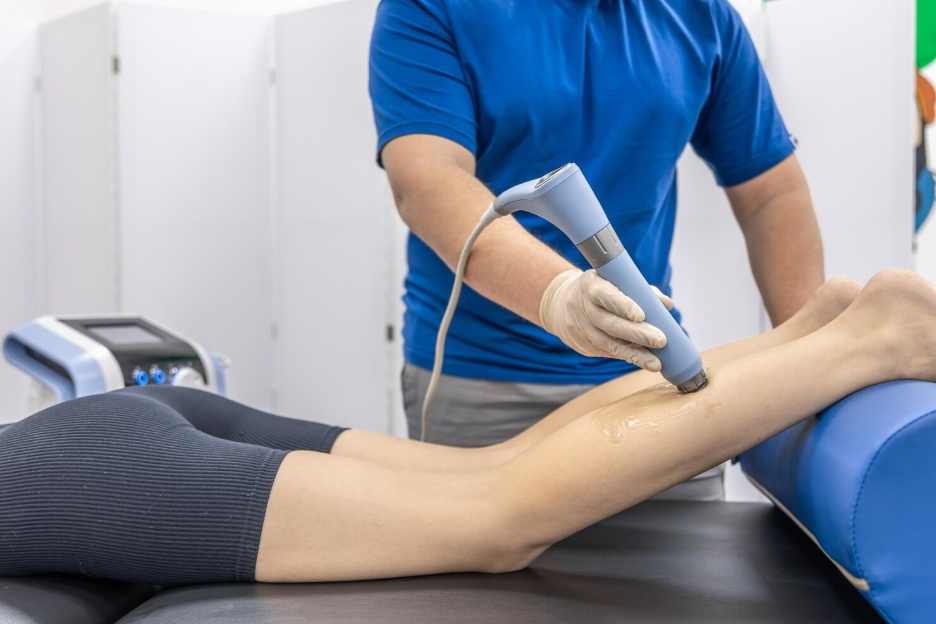
A typical Grade IV laser therapy session is simple and comfortable. The physical therapist first evaluates the affected area and determines the appropriate treatment plan. Protective eyewear may be provided to ensure safety during the procedure.
The laser device is then applied directly to the skin over the targeted area. Each session usually lasts between five to fifteen minutes depending on the condition being treated. Most patients feel a mild warming sensation, but the treatment itself is generally painless.
After the session, some individuals notice immediate relief, while others experience gradual improvement over several treatments. There is no downtime, allowing patients to continue their normal activities immediately afterward.
Role in Tissue Healing and Rehabilitation
Grade IV laser therapy plays an important role in supporting tissue healing PT by enhancing the body’s natural repair mechanisms. It helps improve cellular activity, increases circulation, and reduces inflammation, all of which contribute to faster recovery.
This makes it particularly effective for ligament injuries, muscle strains, tendon damage, and chronic overuse conditions. It also helps minimize scar tissue formation, which can improve long-term mobility and function.
Safety and Considerations
Grade IV laser therapy is considered safe when performed by trained physical therapy professionals. It is a non-invasive and drug-free treatment with minimal risk of side effects. However, it should not be used over cancerous areas, and proper protective measures such as eyewear must always be followed during treatment.
Patients with complex medical conditions should consult a licensed physical therapist before starting therapy to ensure it is appropriate for their condition.
Integration with Physical Therapy Programs
Grade IV laser therapy is most effective when combined with a comprehensive physical therapy plan. It is often used alongside manual therapy, strengthening exercises, mobility training, and postural correction techniques.
This integrated approach helps improve both short-term pain relief and long-term functional recovery. By combining technology-based healing with movement-based rehabilitation, patients can achieve more sustainable outcomes.
Who Can Benefit from Grade IV Laser Therapy?
This therapy is beneficial for individuals experiencing chronic pain, sports injuries, arthritis, or post-surgical discomfort. It is also helpful for athletes recovering from injuries and individuals seeking non-invasive alternatives to surgery or long-term medication use.
Because of its ability to promote healing at a cellular level, it is suitable for both active individuals and those with long-standing mobility limitations.
Conclusion
Grade IV laser therapy represents a significant advancement in modern physical therapy by offering a non-invasive, technology-driven approach to pain relief and healing. By targeting cellular function, it helps reduce inflammation, improve circulation, and support tissue regeneration.
For individuals exploring how does laser therapy work in physical therapy, this treatment provides a science-backed option that focuses on long-term recovery rather than temporary relief.
If you are living with chronic pain or recovering from an injury, exploring these advanced physical therapy options at Current Physical Therapy could be the solution you’ve been searching for. Contact Current Physical Therapy To learn more and schedule a consultation tailored to your needs.
Frequently Asked Questions
How does laser therapy work in physical therapy?
It works by delivering light energy into tissues, which stimulates cellular repair, improves blood flow, and reduces inflammation.
Is Grade IV laser therapy painful?
No, the treatment is generally painless and only produces a mild warming sensation.
How many sessions are required?
The number of sessions depends on the condition. Acute injuries may require fewer sessions, while chronic conditions may need ongoing treatment.
Can it replace physical therapy exercises?
No, it works best when combined with exercises and other physical therapy treatments for long-term recovery.