Dealing with persistent muscle pain can disrupt your active lifestyle, whether you’re hitting the trails in Idaho or training for your next athletic event. At Current Physical Therapy, we offer dry needling therapy as a modern solution to target trigger points and ease myofascial pain. This technique uses thin needles to stimulate muscle tissues, providing relief for chronic muscle knots without medications or invasive procedures. Ideal for athletes and busy adults in Idaho, dry needling helps restore movement and reduce discomfort quickly.
In this post, we’ll explain dry needling therapy in Idaho, its benefits for trigger point relief, safety considerations, and how it differs from acupuncture. We’ll keep things straightforward and friendly, like a chat with a trusted expert. Let’s explore how this therapy can help you get back to what you love.
What Is Dry Needling Therapy?
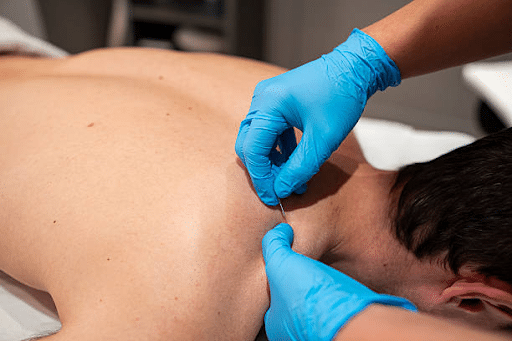
Dry needling is a targeted approach to treating muscle pain by inserting thin, filiform needles into specific trigger points—those tight knots in muscles that cause discomfort and limit mobility. Unlike injections, no substances are delivered; the “dry” refers to the needle itself. This therapy stimulates the muscle, releasing tension and promoting natural healing processes. It’s particularly effective for myofascial pain, where fascia—the connective tissue surrounding muscles—becomes restricted.
Benefits of Dry Needling for Muscle Pain Relief
Dry needling shines in providing quick relief for stubborn muscle pain. By targeting trigger points, it releases knots that cause referred pain—think shoulder tension radiating to your neck. This leads to improved range of motion, making it easier to perform daily tasks or athletic movements. Athletes in Idaho often use it for recovery, as it speeds up healing from overuse injuries like runner’s knee or tennis elbow.
Dry needling also complements other therapies, enhancing overall results. When combined with stretching or strength training, it helps prevent future injuries by addressing underlying imbalances. In Idaho’s active community, where sports like cycling or weightlifting are common, this holistic approach keeps you moving without downtime. Patients often report feeling looser and more energized post-treatment, making it a go-to for busy parents and athletes alike.
The Dry Needling Procedure: What to Expect
The dry needling process is straightforward and typically lasts 20-30 minutes. Your therapist at Current Physical Therapy starts with an assessment, feeling for trigger points and discussing your pain history. Once identified, they insert sterile needles into the muscle—most feel a quick prick followed by a twitch, which is the muscle responding positively.
Sessions are customized; some need superficial needling for surface tension, while deeper techniques target chronic knots. You might feel soreness afterward, similar to a tough workout, but this fades within a day. Multiple sessions, spaced a week apart, are often recommended for lasting relief. Our Current Physical Therapy in Meridian provides a comfortable setting for these treatments, ensuring you feel at ease.
Dry Needling Safety Considerations for Parents and Athletes
Safety is paramount in dry needling, and when performed by trained professionals, risks are minimal. Therapists at Current Physical Therapy are certified, using single-use needles to prevent infection. Common side effects include mild bruising or soreness, but serious complications are rare—less than 0.1% according to clinical reviews. It’s not suitable for everyone; those with bleeding disorders or needle phobias should discuss alternatives.
For athletes in Idaho, dry needling is safe when integrated into a broader plan, avoiding overuse. Parents can rest assured knowing it’s evidence-based, with studies confirming its efficacy for conditions like chronic neck pain. We screen for contraindications, like active infections, to ensure suitability. This cautious approach builds trust, making dry needling a reliable choice for muscle pain management.
Managing Chronic Muscle Knots with Dry Needling
Chronic muscle knots, often from stress or poor posture, respond well to dry needling. The technique penetrates deep to release persistent tension, offering relief where massages fall short. In Idaho’s cold winters, knots can worsen, but dry needling warms tissues, promoting relaxation. Patients report looser muscles and fewer headaches from neck knots.
Research from the Journal of Bodywork and Movement Therapies highlights its effectiveness for long-term knot relief. Combined with home exercises, it prevents recurrence, making it a staple for athletes dealing with repetitive strain. Our clinicians tailor treatments to your lifestyle, ensuring sustained benefits.
Local Expert Insight on Dry Needling in Idaho
In Idaho, dry needling is gaining traction for its quick results in a state full of outdoor enthusiasts. Our team at Current Physical Therapy, with locations in Fruitland, Nampa, and beyond, sees it helping hikers with calf knots or skiers with shoulder pain. Local experts like Nick Hartley emphasize its role in preventive care, reducing injury risks in sports-heavy communities.
Idaho’s active population benefits from this therapy’s non-opioid approach, aligning with state health initiatives. With clinicians trained in advanced techniques, we provide insights on integrating dry needling with other modalities for optimal outcomes. This local expertise makes it a trusted option for pain management.
Who Can Benefit from Dry Needling Therapy?
Dry needling suits active adults and athletes dealing with muscle pain. Runners with shin splints, golfers with elbow tension, or office workers with back knots find relief. It’s also effective for conditions like fibromyalgia or tension headaches. In Idaho, where lifestyles involve farming, sports, or outdoor work, it’s a practical tool for maintaining mobility.
Pregnant women or those with certain medical conditions may need alternatives, but most adults qualify after screening. Our about us page highlights our team’s expertise in customizing treatments for diverse needs.
Integrating Dry Needling into Your Wellness Routine
Incorporate dry needling as part of a broader wellness plan. Pair it with yoga for flexibility or strength training for stability. Regular sessions, every 4-6 weeks, maintain muscle health, preventing chronic issues. For Idaho athletes, it’s a recovery staple, enhancing performance without downtime.
Our clinicians collaborate on integrated plans, blending dry needling with other therapies for comprehensive care. This holistic method supports long-term wellness, keeping you active and pain-free.
Evidence-Based Support for Dry Needling
Research backs dry needling’s efficacy. A review in Physical Therapy found it reduces pain in shoulder impingement by 60%. For lower back issues, it’s as effective as other manual therapies. These findings affirm its role in modern pain management.
In Idaho, where evidence-based care is valued, this support builds trust. Our practice stays current with studies, ensuring treatments are proven and safe.
Patient Experiences with Dry Needling
Many patients share positive stories. An Idaho runner reported faster marathon recovery, while a desk worker noted fewer migraines. These testimonials highlight real-world benefits, building confidence for new patients.
At Current Physical Therapy, we celebrate these successes, using them to refine our approach.
FAQ
How does dry needling help with trigger point relief?
It stimulates muscles to release tension, improving blood flow and reducing pain.
What are the benefits for myofascial pain?
It eases restricted fascia, enhancing mobility and reducing chronic discomfort.
Is dry needling safe for chronic muscle knots?
Yes, when done by certified therapists, with minimal risks like temporary soreness.
How does dry needling compare to acupuncture?
Dry needling focuses on anatomy for pain relief; acupuncture balances energy meridians.