
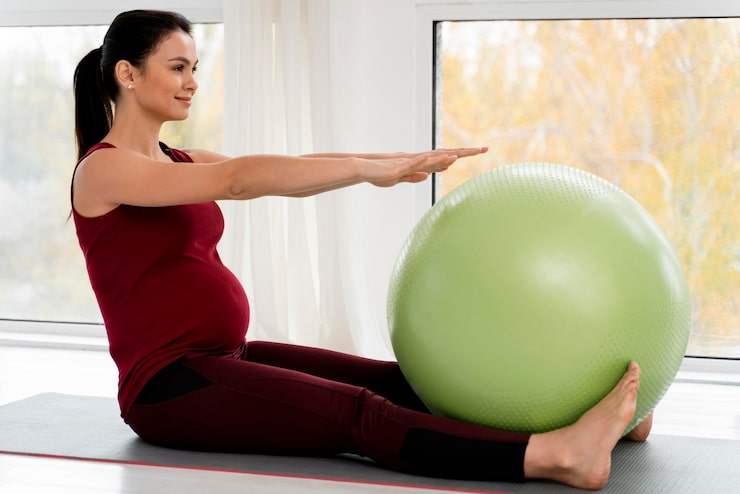
Pregnancy is one of the most extraordinary experiences in a woman’s life and also one of the most physically demanding. As your body changes week by week, it faces new stresses, shifting weight distribution, hormonal changes, and significant muscular and postural adjustments that can lead to pain, discomfort, and functional limitations.
The good news is that physical therapy for pregnancy is a safe, effective, and increasingly popular approach to managing these challenges. Whether you are dealing with low back pain in your second trimester, pelvic girdle discomfort, or trying to recover your core strength after delivery, prenatal physical therapy and postpartum physical rehab therapy can make a life-changing difference.
At Current Physical Therapy, we provide specialized pregnancy rehabilitation services designed to support your body through every phase of this journey.
What Is Physical Therapy for Pregnancy?
Physical therapy for pregnancy is a specialized branch of physical therapy services that focuses on the unique musculoskeletal, pelvic floor, and postural needs of pregnant and postpartum women. A licensed physical therapist with expertise in women’s health will assess your body’s current condition and create a personalized plan to address pain, restore function, and prepare you for childbirth and recovery.
Prenatal physical therapy can begin at any stage of pregnancy and continues into the postpartum period, making it a continuous support system for your changing body.
Common Conditions Physical Therapy Addresses During Pregnancy
Many pregnant women assume discomfort is simply part of the experience. But the truth is, a significant number of pregnancy-related conditions respond extremely well to physical therapy services. These include:
- Low back pain and sacroiliac joint dysfunction
- Pelvic girdle pain
- Round ligament pain
- Sciatica
- Diastasis recti (abdominal separation)
- Pelvic floor dysfunction, including incontinence
- Hip pain and postural imbalances
- Carpal tunnel syndrome
- Swelling in the legs and feet
You do not have to simply endure these issues. Physical therapy for pregnancy addresses the root causes and helps your body function more comfortably throughout all three trimesters.
Benefits of Prenatal Physical Therapy
1. Pain Reduction
One of the most immediate benefits of prenatal physical therapy is relief from musculoskeletal pain. Manual therapy, targeted exercises, and postural correction techniques can significantly reduce back pain, pelvic pain, and hip discomfort without medication.
2. Improved Posture and Body Mechanics
As your belly grows, your center of gravity shifts and your posture changes, often leading to strain on your spine, hips, and shoulders. Physical therapy services help you adapt to these changes with exercises and education that keep your body aligned and moving efficiently.
3. Pelvic Floor Strengthening
The pelvic floor plays a critical role in pregnancy and childbirth. Prenatal physical therapy includes pelvic floor training to prepare your muscles for the demands of delivery and reduce the risk of postpartum incontinence.
4. Preparation for Labor and Delivery
Pregnancy rehabilitation includes exercises and techniques that improve your endurance, flexibility, and breathing patterns, all of which support a smoother labor experience. Your therapist can also teach you optimal positioning and pushing techniques.
5. Reduced Risk of Complications
Staying active and maintaining muscle strength and flexibility during pregnancy through physical rehab therapy has been shown to reduce the risk of gestational diabetes, excessive weight gain, and preterm labor.
Our specialized physical therapy services for pregnant women are designed to keep you comfortable, active, and confident throughout your pregnancy.
Postpartum Recovery: How Physical Rehab Therapy Helps
The postpartum period brings its own set of physical challenges. Whether you had a vaginal delivery or a cesarean section, your body needs structured support to heal properly. Physical rehab therapy postpartum addresses:
- Core and abdominal muscle recovery, including diastasis recti repair
- Pelvic floor rehabilitation for incontinence or prolapse
- Scar tissue management after C-section or episiotomy
- Returning to exercise safely and progressively
- Managing postpartum back and pelvic pain
- Improving posture affected by nursing and carrying your baby
Many women wait months or years to address these issues, not realizing that early intervention with physical therapy for pregnancy and postpartum care leads to much faster and more complete recovery.
Our postpartum physical rehab therapy programs are gentle, progressive, and fully tailored to your recovery stage and personal goals.
What Pregnancy Rehabilitation Looks Like at Current Physical Therapy
When you begin pregnancy rehabilitation with us, your first session starts with a thorough evaluation. Your therapist will review your pregnancy history, current symptoms, postural alignment, movement patterns, and pelvic floor function.
From there, your personalized program may include:
- Gentle manual therapy to reduce pain and improve joint mobility
- Pelvic floor exercises and biofeedback
- Core stabilization training appropriate for your trimester
- Postural and ergonomic education
- Breathing and relaxation techniques
- Safe return-to-exercise progressions for postpartum recovery
Find out more about our dedicated prenatal physical therapy program and how we help women thrive during every stage of pregnancy.
Is Prenatal Physical Therapy Safe?
Yes. Prenatal physical therapy is safe for most women at all stages of pregnancy. Our therapists are trained to modify all exercises and techniques to accommodate the needs of your changing body. We work in close communication with your OB or midwife to ensure your care is coordinated and appropriate.
As with any prenatal care, we always err on the side of caution and adapt your program to any changes in your health or pregnancy.
When to Start Physical Therapy During Pregnancy?
The best time to start physical therapy for pregnancy is as early as you experience symptoms, but you can also benefit from beginning in any trimester or postpartum. Many women choose to start preventively in their first trimester to build strength and address any early postural changes before they become painful problems.
There is no perfect time to start. Earlier intervention typically leads to faster relief and better outcomes.
Why Choose Current Physical Therapy?
Our team at Current Physical Therapy understands the physical and emotional demands of pregnancy and new motherhood. We provide a compassionate, private, and evidence-based environment where you can receive the attentive care you deserve.
We specialize in:
- Prenatal and postpartum physical therapy
- Pelvic floor rehabilitation
- Pain management during pregnancy
- Safe return to activity after delivery
Book your evaluation today and take the first step toward a more comfortable pregnancy and confident postpartum recovery with our specialized pregnancy rehabilitation program.
Frequently Asked Questions
Can physical therapy help with back pain during pregnancy?
Absolutely. Low back pain is one of the most common complaints during pregnancy and one of the conditions that responds best to physical therapy for pregnancy. Manual therapy, core stabilization, and posture correction can provide significant relief.
How soon after delivery can I start postpartum physical therapy?
Many aspects of postpartum physical rehab therapy, such as breathing exercises, gentle core activation, and pelvic floor work, can begin within days of delivery. More intensive exercises are typically introduced around six weeks postpartum, following clearance from your healthcare provider.
Will I need a referral for prenatal physical therapy?
Many insurance plans do not require a referral for physical therapy services, but it varies. We recommend contacting your insurance provider and our team to clarify your coverage before your first visit.
Can physical therapy help with pelvic floor issues after birth?
Yes. Pelvic floor rehabilitation is one of the most impactful aspects of postpartum physical therapy. Issues such as leaking, pelvic pressure, or painful intercourse after delivery can often be significantly improved or fully resolved with targeted pregnancy rehabilitation.